Summer schedules are looser than school-year ones, and that can go one of two ways. Without much structure, days can drift toward screens, late mornings, and long stretches of sitting. With the right structure, summer becomes the most active, social, and healthy stretch of a child’s year.
Summer camp naturally builds healthy habits into the day. Children move, play outside, swim, eat on a routine, spend time with peers, and unplug—not because someone is telling them to be healthy, but because that is simply what the day looks like.
At Future Stars, campers ages 5–13 spend their days rotating through sports, games, swimming, creative projects, hands-on activities, and camp-wide events in an environment designed to keep them active and engaged.
Movement Becomes Part of the Day
The healthiest habit camp builds is also the simplest: children move a lot, and they enjoy it.
At Future Stars Traditional Day Camp, campers participate in sports and games, swimming, group activities, and camp-wide events alongside creative and hands-on programming. The day is built around activity rather than sitting still, and campers rotate between different types of experiences instead of staying in one place.
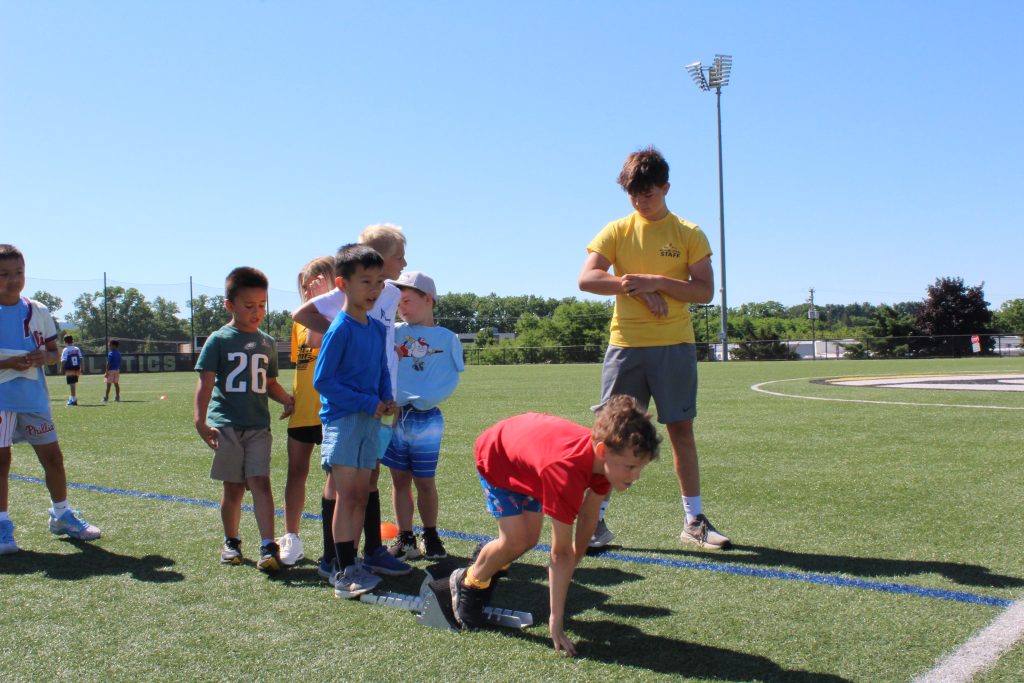
That matters because children are far more likely to keep moving when movement feels like play. A camper running through a game, swimming in the afternoon, or competing in a friendly team activity is not thinking about exercise. They are having fun—and getting hours of activity while they do it.
For campers who want an even more athletic summer, All Sports gives children ages 7–13 the chance to rotate through basketball, soccer, lacrosse, flag football, tennis, team handball, volleyball, and more. Younger campers can build foundational skills through Sports Junior, designed for ages 5–6.
Healthy habits depend on rhythm, and camp provides one.
Future Stars day camp runs from 9:00 a.m. to 3:00 p.m., with drop-off between 8:00 and 9:00 a.m. and pick-up from 3:00 to 3:15 p.m. Each day opens with a Morning Camp Gathering and closes with an Afternoon Camp Gathering. Extended time is available in the morning from 7:00 to 8:00 a.m. and in the afternoon from 3:15 to 6:00 p.m. for families who need it.
That consistency does more than keep camp organized. A regular wake-up time, a full active day, meals and snacks at predictable points, and a reliable end to the day all support better sleep and steadier energy.
Parents often notice the difference at home: campers who spent the day moving and playing outside tend to be genuinely tired at bedtime, which makes evenings and mornings easier for everyone.
Screen time tends to expand to fill whatever space it is given, and unstructured summer days give it plenty of space.
Camp is one of the easiest ways to change that equation. For six or more hours, children are outside, in the water, on a field, or working on a project with their hands. The alternative to a screen is not a rule—it is a game, a teammate, and something happening right in front of them.
Because campers rotate through different types of activities, there is always a reason to stay engaged. Sports and games in one block, swimming in another, art and makerspace or a STEAM and robotics activity in another. Children who might resist “go play outside” at home spend the whole day doing exactly that at camp without a second thought.
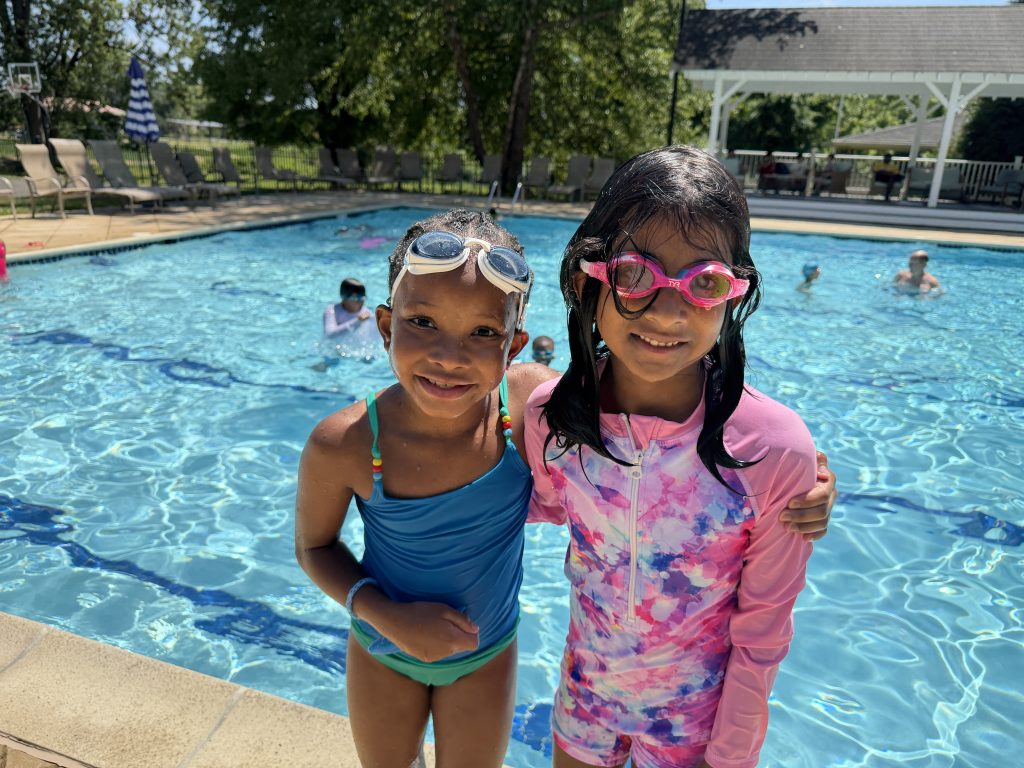
Swimming is one of the healthiest activities a child can practice, and it is a daily part of the Future Stars experience across programs, including All Sports and Sports Junior.
It is a full-body activity that is easy on growing joints, it works for a wide range of skill levels, and it is one of the few sports children can keep enjoying at every age. Daily practice through the summer also builds comfort and competence in the water—a life skill as much as a fitness one.
For many campers, swimming becomes the part of the day they count down to. That is exactly the kind of habit worth building: a healthy activity a child actually asks for.
Healthy habits are not only physical. How children connect with others shapes their well-being just as much as how much they move.
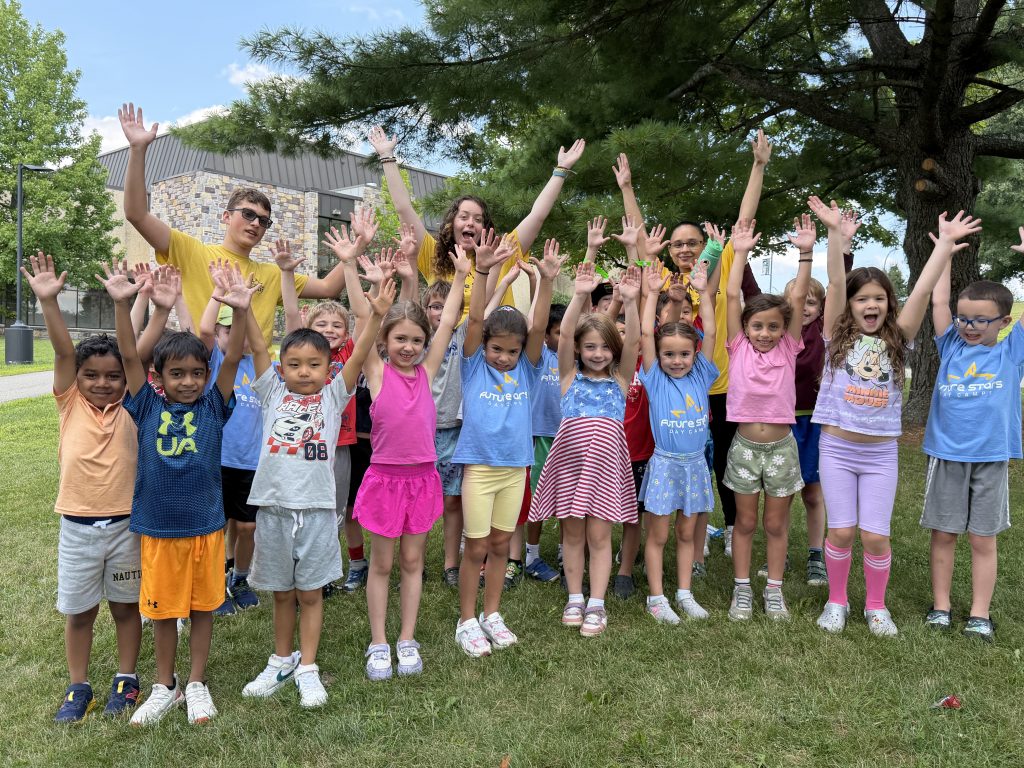
Camp gives children daily practice at the social side of health: making conversation, joining a group, working with a teammate, resolving a small disagreement, including someone new, and spending unstructured time with peers away from school-year social dynamics.
The American Camp Association’s national research with more than 5,000 families found that 92% of campers said the people at camp helped them feel good about themselves, 96% said camp helped them make new friends, and 93% said camp helped them get to know kids who are different from them.
Those experiences build confidence and connection—two of the strongest protective factors for a child’s overall well-being.
The habits that stick are the ones a child chooses for themselves, and camp is unusually good at helping children find those.
Because campers try many different activities across a summer, they get a low-pressure chance to discover what they actually enjoy. A child may find a favorite sport, decide they love swimming, or realize they enjoy building and creating. Those discoveries often continue long after camp ends.
The ACA reports that 74% of campers said they did things at camp they were initially afraid to do, and 63% of parents said their child continued participating in activities they learned at camp. Read more about the value of camp.
That is the long-term payoff. A week of camp can introduce an interest that becomes a year-round activity.
The end of summer does not have to mean the end of the routine.
Children who spent their summer moving daily, sleeping well, playing outside, and connecting with peers often head back to school with more energy, more confidence, and a stronger sense of what they enjoy. Some join a sport they discovered at camp. Some carry a new creative interest home. Many simply return with a better baseline for activity and sleep.
Camp is not a program that teaches healthy habits in a lesson. It builds them into a summer children genuinely look forward to, which is why they last.
If you want your child to spend next summer moving, playing, swimming, creating, and spending time with friends, camp is one of the simplest ways to make that happen.
Families can explore all Future Stars programs, review the benefits of Future Stars including flexible scheduling and extended-time options, check our Frequently Asked Questions, and find the location closest to them.